

Te fundit
Kështjellat shqiptare të Skënderbeut

11 Shkurt 2018, 18:25Dossier
TEMA
 E Diela e Skënderbeut
Përgatitur nga Brizida Gjikondi
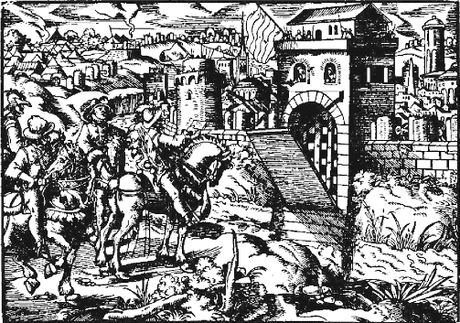
Në mjaft krahina të Shqipërisë ka vënde që mbajnë emrin e Skënderbeut, këto mund të jenë male, kodra, shpella, kala, por edhe qytete me emrin e tij. Edhe sot janë të dallueshme rrënojat e atij që quhet qyteti i Skënderbeut në rrënojat e një kështjelle në kufirin verior të Matit me Dibrën, sit i cili u zbulua falë të dhënave të Marin Barletit –jetëshkruesit të Skënderbeut. Këto rrënoja quheshin edhe rrënojat e qytetit të Stelushit, seli e lashtë e Kastriotëve. Një tjetër toponim mund të jetë “sofra e Skënderbeut” ose “maja e Golemit” në Gurin e Pishkashit, pranë Prrenjasit, ku pozita e kësaj maje shkëmbore në këtë krahinë na con të kërkojmë kështjellën e perdorur nga Moisi Golemi dhe Skënderbeu.
Ka shumë Kala të tjera të cilat legjendat i lidhin me Skënderbeun dhe me bashkëluftëtarët e tij. Në Rrajcë të Librazhdit, janë rrënojat e një kalaje që historia e lidh me Skënderbeun, aty flitet se Skënderbeu u rrethua nga armiqtë, dhe kur Skënderbeu pa se rruga e daljes ishte e mbyllur nga turqit, mendoi të hapte një shteg tjetër, dhe përgjatë natës dha urdhër që gratë e vëndit të këndonin dhe hidhnin valle për të tërhequr vëmndjen e pushtuesit, ndërkohë që ushtarët hapnin një rrugë në shkëmb, Skënderbeu doli nga rrethimi. Fusha e Domosdovës, viset rreth saj shpesh herë ka qënë shesh betejashtë përgjakshme. Po ashtu edhe malsia e Tiranës, ka qënë pjesë e betejave të tij.
Edhe kalaja tjetër e quajtur e Skënderbeut në malin e Shëngjinit ka qënë përgjatë rrugës të cilën ushtria shqiptare dhe Skënderbeu e bënë pas clirimit të Petrelës për të vajtur në Gurë të Bardhë. Gjithashtu në afër Bulqizës, në Vajkal, ndodhet një tjetër Kala e Skënderbeut, ose Kulla e Skënderbeut, ku përsëri legjenda tregon për një rrethim, legjendë që përkon me historinë. Në Vajkal në vitin 1465 Skënderbeu korri një fitore të madhe kundër ushtrisë osmane.
Duke shkruar për luftën shqiptaro-turke kronisti Kritobul theksonte se “kishte kështjella të forta përbrënda vëndit, në bregdet në vënde të thepisura që mezi kaloheshin dhe shumë të fortifikuara”
Posa u bë zot i Krujës, Skënderbeu vendosi të clirojë edhe qytete të tjera të asaj kohse, si Petrelën, Gurin e Bardhë, Stelushin, e Stefigradin. Ai u kujdes vazhdimisht për forcimin dhe meremetimin e mureve të tye, dhe vuri në gjëndje mbrojtje të gjitha kalatë strategjike, duke studiuar të gjitha shtigjet, mallet dhe vëndet që lidheshin me mbrojtjen e tyre.
Përgjatë luftës së tij 25 vjecare Skënderbeu jo vetëm që i forcoi dhe mbrojti kalatë që ngriheshin brënda tokës së Lidhjes Shqiptare por edhe ndërtoi të reja, një nga këto ishte Kështjella e Modricës, e cila u ndërtua sic tregonte edhe Barleti shumë shpejt, brënda 6 muajsh.
Skënderbeu filloi ndërtimin e një kështjelle tjetër, në Kepin e Rodonit, në very të Durrësit, e cila sipas Barletit u quajt Currile, kjo kështjellë do I shërbente Skënderbeut të kishte port dhe mardhënie direkte me detin, duke shmangur portin e Durrësit që aso kohe ishte në duart e Venedikut.
Skënderbeu u dha një vëmëndje dhe rëndësi të madhe edhe kalave shqiptare edhe në mardhëniet me Venedikun. Venedikasit mbanin në atë kohë disa qytete të Shqipërisë bregdetare ..(TemA)
Vazhdon numrin tjetër…
17 komente në “Kështjellat shqiptare të Skënderbeut”
Lini një Përgjigje
Lini një Përgjigje


Më të lexuarat
24 oret e fundit
Javen e fundit


Blog Tema










Z e nderuar per cilin skenderbe e keni fjalen?!ate turk qe pushtoi arberine dhe ndryshoi emrat e vendbanimeve shqiptare nga shqip ne turqisht .apo behet fjale per GJERGJ KASTRIOTIN heroin ton kombtare qe i luftoi skenderbet e sulltanit.Mundesisht qarteso shkrimin dhe kuptimin .!!!Nga ana shqiptare quhej GJergj Kastrioti.
Keni pergjigje pjeserisht te sakte. Emri i tij ishte Gjergj Kastriot Skenderbej. Skender eshte titulli i dhene nga sulltani qe nekupton Aleksanderin e Maqedonise, ndersa bej eshte titulli i kaloresit ose feudalit. Ne itali ishin te quajtur kavalier ne angli sir etj. Skenderbeu e perdori emrin e dhene nga sulltani per te treguar ofiqllekun e tij dhe vleresimin e marre. Po te ishte kurorezuar nga papa mbret i Arberise mbase sdo ta perdorte emrin Skenderbej
e shikoni o kurdët e anatsasit,
kur Gjergj Kastrioti-Scanderbeg fortifikonte keshtjellat e Arbrit,kisha greke lepnte bythen e Sulltanit
kur shqiptaret,ky popull vital,luftonin dhembe per dhembe kunder osmaneve,populli kurve grek mbushte harremet..
kur Kostandinopoja/Istanbuli i Bekuar u be kryeqytet I Perandorise Osmane në 1453,vajzat greke benin konkurse e sfilata se kush do pranohej në harremin e pallatit Topaki
E ke gabim. Ai e ruajti pseudonimin Skenderbe edhe pasi u rebelua dhe ishte ne lufte me sulltanin. Kjo as i ul e as i ngre meritat.
Nuk eshte gje e keqe qe i therasin Skenderbe, kjo tregon nje pjese te historis, qe Gjergji edhe pse i ritur ne sarajet e Sulltanit edhe pse i bere Skender perseri mbeti i Krishter Ortodoks ashtu sic lindi, ky fakt e nderon, duke luftuar nen flamurin 2 krenar te Bizantit te cilen edhe e huazoj per Arberin pas renies se Kostandinopojes kryeqenderen e Bizantit te perandoris me jet gjate ne histori 1100 vjecare.
…..
E keqia me Arnautet nis kur duan ta zbehin “zjarrin” e Krishterizmit qe e bente Skenderbeun “bish” ne luftrat e tije.
E keqia me Arnautet eshte qe duan ta paraqesin vetem si hero kombetar (kur dihet qe ne ate periudh nuk ishte e thelle ndjenja kombetare sepse historikisht nuk njifeshin shtete).
E keqia eshte qe historia e ketij vendi ka ngele ne duart e “historianeve” te tredhur Turk-Arnaut, te tipit Xhufkes, Feritit, Spahiut, Islamit, Imamit, Hasanit….
shteti ka kufi tokesore ndersa kombi shqiptar,italian,amerikan ,,,,,,jan kufi njerezor
O jevgjit dropulli, o arumun qe ke mesuar greqisht dhe do te besh edhe historianin.
Nuk ka pas flamur ” bizanti” por flamur te Perandorise Romake apo Perandorise Romako Lindore. Termi ” bizant” ishte term i huaj dhe nuk perdorej nga shqiptaret dhe vet perandoraket qe identifikoheshin si romake.
Flamuri me 2 krera nder familjet shqiptare eshte perpara se te perdorej nga Paleologet ne 1260. Gjithsesi shqiptaret ishin qytetare romake dhe ishte normale qe te perdornin edhe simbole perandorae, te nje perandorie te themeluar dhe drejtuar nga Perandoret Ilire per 200 vite si Konstandini i Madh apo Justiniani i Madh.
Flamurin nuk e huazoj Skdenderbeu, sepse ishte flamuri i familjes se tij, o injorant.
Komentusit te mesiperm! Ne e do fjale per fjale, deri ne ditet tona Gjergj Kastrioti eshte njohur me shume si Skender-bej, por kjo kurre ate nuk e konfondon me personazh tjeter mitik shqiptar. Ai do te mbetet heroi kombetar shqiptar pavaresisht se dikush tenton ti jape te tjera ngjyrime fetare dhe etnike . Feja e shqiptarit ka qen dhe eshte shqiptaria.
i madhi i te mdhenjeve gjergj kastrioti identiteti yne me flamurin me te vjeter te evropes.flamuri kuq e zi eshte flamuri me i vjeter ne ballkan e evrope.luftrat dhe rezistenca e tije se bshku me mijra trima shaiptat njifite nga gjithe evropa.trojet tona dikure te bekuara dhe shqiponja dy krenare fluturojke e lire ne trojet arberore.papritmas hyren ne qenet e gjakosur turq,qe nje historian francez i quan,le chiene souvage turque,qenet e eger turqe.dhe gjergji rezistoje plote 25 vite.pastaj dhe deri sot qdogje u mallkua dhe u roberua,ku dhe sot jemi te mallkuare nga imponimet fetare e kulturore osmane,ku jemi te armiqsuar me krejte evropen.edhe toka uji bari,pemet,gjuha shqiptare eshte mallkuare.
gjergj kastrioti hero i kombite shqiptar dhe rrufe historike per serbo greko turqit ,ku turqit i sakatosi me shpate dhe serbo-greket me enrin e tije.ma se shumtivi fregohen serbo-greket emrit te gjergjit dhe kishave abtike katolike se dokumentohet historia dhe antika e lashte shqiptare.a me fe tjera humbet dhe fshihet e gjithe historia shqiptare.pse serbet greket malazezet e maqedonet nuk duan te flasin por arkeilogji dhe monomente antike,se ju del duqi serbeve e sllave se jane ardhacat e ish refugjat ne tokat shqiptare.pra servet dhe greket kane falcifikuar te gjithe historin dhe falcifikojn edhe sot.psh,uck e bejne si organizat terroriste.shqiptaret si mbetje turke ne kosove shqiperi e maqedoni mal te zi.a ka diqka me e rende dhe tmeshme qe nje populli antik si ne te na humbet e gjithe historia e lashte 3500 vjeqare.serbet greket e te gjithe sllavet ju konvenon feja e imponuar islame,se ja u rregullon te gjitha pikat politike e diplomatike serbo-greke kunder shqiptarve.psh.po te flitete sot per gjergj kastriotin dhe fen shqiptare katolike ne austri nuk kishte mundur te thote austriaku pro serbe se kosova eshte serbi,se vete vete historia dhe feja katolike flet e reagon si nga austriake,si nga shqiptaret,si nga vatikani,si nga popujte evropian,si nga usa si nga australia e bota krishtere katolike,por keni ngelur te vetmuar dhe me fe e kultura ottomane qe boten e tmerrojn.psh vete kurdet e turqis nuj pranojn asgje nga turqit,por vetem te vetat antike kurde,dhe luftojn turqin qe 100 vite,a gallaguzet shqipfolsa te ne mburren me ish terrorizmin ottoman.
Qenke nje rrit Kadri qe se paske shokun?
Skenderbeu vjen nga nje familje serbe nga e jema mor tru thare e u martua ne Epir me te bijen e Gjergj arianitit!
Ju bythqirit e kosoves vrate te vllane e Gjergj Kastriotit,Kostandinin!
sa identitete kane shqiptaret,nje apo dhjete = ?.qka quajm identitet etni e kombesi dhe flamure kombetare.psh.flamure kombetar shqiptare por ky flamure ka kuftuar fen dhe kulturat emrat e terrorin e turqve,a shumica ,,shqiptare,, me fe kultura tradita zakone festa emra e logjika te pushtusve osman.nuk ka logjike te shendosh e normale qe mund ta done edhe edhe flamurin e kombin e vete,edhe flamurin e fen kulturat e pushtusit te njejten kohe.edhe turk,edhe azerbeigjan bektashi,edhe qerkez gheorigjian,edhe dervish i aferte ne bektashi te azerbeigjanit,edhe shqiptare.kjo eshte anormale dhe brutale kontradiktuare,se kultura lufton kulturen tjeter.feja luftone fen tjeter.emrat luftojn emrat tjeter.ideologjia dhe kushtrimi i nje populli behet falco.pra nga nje kombe i vjeter shqiptare me imponimet osmane tani jemi nje etni dhe kombe falco.flase vetem per ata-o qe praktikojn fe e kultura te pushtusit ottoman.nje etni dhe nje kombe ka vetem nje kulture tradicionale,dhe jo dhjetra kultura e dhjetra fe,tradita e zakone,se behemi multi etni e multi kombesi dhe substanca e kombite vdes.
Shume konfuze nga pikepamja terminologjike, e qe vjen ndoshta prej “coroditjes’ genetike. Eshte per te ardhur keq qe “shkencetare” te ketij niveli i perdorin termat si tju vije neper goje. Fjala “kala” eshte turqisht dhe fjala korresponduese ne gjuhen e bukur shipe eshte “keshtjelle”. Keshu qe ne nje artikull te ketij lloji te shkruar ne shqip duket te kishte vetem “keshtjella” dhe kur ta perkthenin per ndonje gazete turke, mund qe te gjitha “keshtjellat” ti benin “kala”.
O FLM,
Ik o i shitur lexo kush ja dha flamurin e shqipes me dy koka bizantit pastaj shohim kush huazoi nga kush dhe lëri predikimet fetare së Shqipot janë paganë si paraardhësit e tyre Illinët ndaj nderojnë natyrën, shqiponjën, dhinë etj . Fenë ortodhokse ta mbajnë greko çifutët.
Ne raste se librat historike,apo shkollore do te vazhdojne te shkruaj fjale dhe fjali ne gjuhe te huaj ,si brezat sot por edhe ata ne te ardhme do te jene gjithmone te pa qartesuar dhe do ta kene te veshtire per ta kuptuar .Ne jemi shqiptare dhe shkruajm e lexojme ne gjuhen shqipe.Ose ne te kundert te shpallim dy gjuhsine ate osmane,dhe ate shqipe.Nje gje duhet ta dime dhe ta bejme?,te mbrojme historine tone ne gjuhen e te pareve tane.Gjergj do te thote i madhe,(i gjenshem),madheshti.Kastrioti kuptimi do te thote shtrirje te hapsires teritorjale.Kastriot mban emrin e nje fshati sot ne afersi te dibres.Kastriot do te thote perterirje do me then ka kuptim shume te thelle.Skenderbe ne gjuhen shqipe eshte i pa kuptueshem.Ne duhet te pasqyrojme ne gjuhen tone emrat e heronjeve dhe emrat e qyteteve tona ne gjuhen Ilire Shqiptare,perndryshe do te mbetemi ne mos marveshje midis neshe ,kjo gje i sherben fqinjeve falllsifikatore qe jetojne dhe grabisin çdo dite teritore te shqiptareve te Arberise.Qeveria shqiptare duhet ti ktheje dinjitetin historise dhe te ndryshoje emrat e ne origjinen e tyre.çorovod,qytet stallin,rrogozhin,jane emra qe i vendosi diktatori per ndere te miqeve te tije sllave . Ndersa Disa emra te tjere qytetesh u vendosen dhe u modifikuan nga pushtuesi osman,si per shembull.kavaje,tirane,elbasan,peqin,e tjere.
1- FAKT NGA OLIVER SCHMITT
All that the rebels had was a rather small strip of territory, devoid of major settlements, around Kruja, in the Mat Valley and Dibra, and in northern central Albania, the hinterland of Durrës and along the Shkumbin River. This region, opening southwards, consisted of areas under the control of the Araniti, Balšić, Thopia and Castriota families. It was almost continuously under attack from the Ottomans who brought about the downfall or military destruction of these families.
2-FAKT
With regard to the social structure of the rebel movement, one can see a clear split running right through Albanian territory. Much of the Ottoman elite consisted of Albanians who had converted to Islam, be they scions of old families such as the Muzaki, Zenebish and Dukagjin, or social climbers who were grateful to the sultan for their privileges. The military commanders, leaders and simple soldiers, i.e. the whole army fighting against Scanderbeg, consisted of local Albanians, Bulgarians, Serbs and Vlachs.
3-FAKT
he military commanders, leaders and simple soldiers, i.e. the whole army fighting against Scanderbeg, consisted of local Albanians, Bulgarians, Serbs and Vlachs. There were also Turkish Muslims in the Ottoman forces who owned timar lands. On the whole, it is evident that the rebels were not opposed by “foreign” invaders, but by local forces loyal to the new empire who were willing to fight members of their own ethnic groups longing for pre-Ottoman times. Many Albanians had good reason not to join the uprising. The movement was not fostered by language or any feeling of belonging to an ethnic group.
4-FAKT
Scanderbeg did not have a stable or socially cohesive community of followers. One must firstly distinguish between the nobles among his allies, who joined him in a military alliance against the Ottomans in the spring of 1444, and those who followed him for reasons of personal loyalty, i.e. his actual supporters. The nobles did not regard the alliance as a means of creating an expansive State in the southeastern Adriatic. They were more interested in restoring the largely anarchic conditions that had been prevalent between the fall of Serb rule over Albanian territory (in the 1370s) and the consolidation of Ottoman control (which became definitive around 1430). They refused to pay the new imperial taxes, to recognize the new laws and to submit to its supremacy.
5-FAKT
een from another perspective, one could say that Scanderbeg was drawn into a power struggle between Venice and Naples over rule in the Adriatic. For centuries, the Albanian coast had been the theatre of such struggles for hegemony. Castriota was unable to extract himself from the demands of regional geopolitics. He had originally turned to Naples for support and in 1451 had sworn an oath of allegiance. This provided him with protection and support from King Alfonso V, but it made his forces party to the war against the Republic of San Marco. Like his feudal liege, he fought on two fronts, against the Ottomans and against the Signoria. His realm was no more than a link in a broadly spanned chain of Neapolitan vassals in the Balkans against which Venice had spun a net of regional princes in its pay. As such, the Balkans were the theatre of inner-Italian warfare to which Scanderbeg would eventually fall victim and perish. Castriota’s star declined definitively in 1467 when the Venetians expelled the Neapolitans from central Albania. His hostility towards Venice, influenced at least by Naples, was the reason for his downfall.
6-FAKT
However, it was not the Serenissima but the Ottomans who finally defeated Scanderbeg after decades of battle. Castriota was confronted not with the sultan himself, but with his mighty commanders in the Vardar Valley and Thessaly, men who stemmed from Ottoman military dynasties, were extremely wealthy and had substantial military forces at their command. These were talented figures, equal in every respect to Scanderbeg who before 1443 had been his ally in their common endeavours under the sultan. These old veterans of the sultan’s army knew one another well before they extended the war throughout the western Balkans. Scanderbeg drew one advantage from the fact that the sultan’s main forces were engaged for years on end in other conflicts. The task of putting down unrest in the mountains of the west was given to subordinate leaders. Whenever the sultan intervened personally, his mere presence at the head of vastly superior forces was sufficient to put the rebels under enormous pressure. Murad II’s attack on Kruja in 1450 was repulsed, but it brought Scanderbeg to the verge of annihilation.
7-FAKT
Though Mehmed II’s campaigns in the northern Balkans and Asia Minor contributed substantially to keeping the flame of revolt alive much longer, Scanderbeg did not stand a chance against the armies of the sultan in 1466 and 1467 when thrown back to his own power base.
8-FAKT
Scanderbeg’s political strategy of attack wherever possible and of avoiding defence arose from his experience in earlier uprisings and the training he received in the Ottoman army. Indeed, all of his offensives failed: 1444, 1448 and 1464. It was impossible to coordinate an attack among allies from all over Europe and Asia Minor to work at the same time. The Ottomans always had the advantage of being on the inner side of the front and thus had shorter communications lines to bridge. Yet, as opposed to many schemes devised at Western courts, these attacks actually took place. Scanderbeg and his lightly armed troops were certainly never the keystone of a comprehensive strategy, but he was an important link between the Italy and the Balkans. Castriota could never defeat the sultan, but he was in a position to cause him great harm. The end of the struggle confirmed that the strategy of attack was the right one. Scanderbeg was not able to overcome the might of the sultan’s main forces.
E FUNDIT
THE FALL OF GEORGE KASTRIOTI NOT SCENDERBEG
He took on the role of a new Alexander the Great, a Western hero fighting against the Orient, the founder of a new empire in the Balkans. His plans were lofty and his fall was profound. In the end, with his supporters all killed or dead, Scanderbeg stood alone, betrayed by many noblemen, even his close relatives, a victim of Italian power politics. When he died, he left behind a ravaged, depopulated land.
Ne e dim qe prejardhjen e kemi nga perandoria carriste serbo bullgare por ktu shkruhet shqip jo anglisht qe te kuptojn lexuesit qe nuk e njohin ket gjuhe?