

Te fundit
Rama: Krenohemi me sjelljen ndaj minoriteteve

4 Dhjetor 2014, 16:02Politika
TEMA
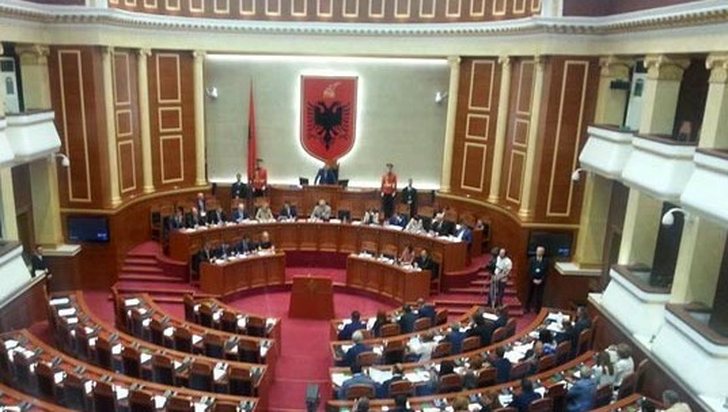
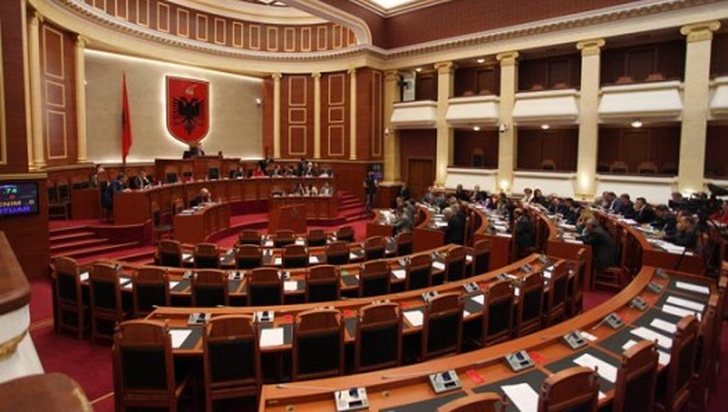
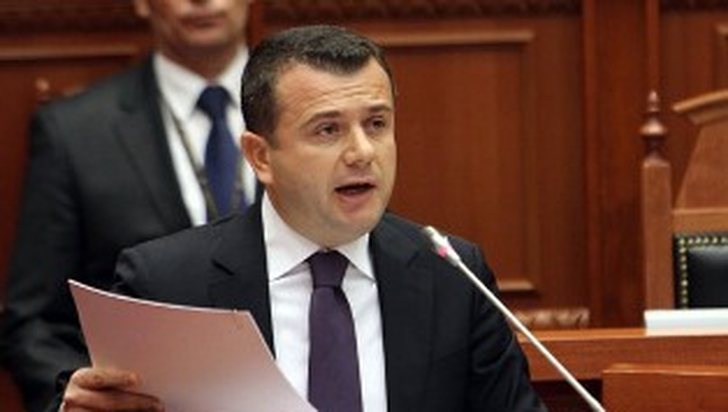
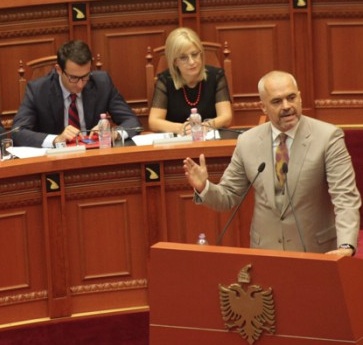 Kryeministri Edi Rama, gjatë një interpelance në Kuvend tha se nëse ka një gjë me të cilën shqiptarët krenohen para botës është sjellja e tyre ndaj minoriteteve.
Rama theksoi se në Shqipëri nuk ka pasur, nuk ka dhe nuk mund të ketë një problem real për minoritetet, por ka një vullnet të plotë për të përsosur legjislacionin në mbështetje të tyre.
Duke iu përgjigjur kërkesës së deputetit të PBDNJ-së, Vangjel Dule, lidhur me situatën e respektimit të të drejtave të njeriut dhe të minoriteteve në Shqipëri, Rama tha se “nëse ka disa pak gjëra që ne mund të krenohemi para botës dhe para fqinjëve në Veri e Jug është sjellja jonë me minoritetet si shqiptarë në Shqipëri, si shqiptarë në Kosovë”.
“Në këto dy shtete shqiptare ku nuk ka përsosmëri, pasi do të ishte pretendim i madh të flisnim për përsosmëri, por ka një situatë dhe një marrëdhënie me minoritetet si askund tjetër në Ballkanin e vjetër dhe në Ballkanin e ri; po ashtu si askund tjetër në vendet e rajonit, qofshin anëtare të BE-së ose ato që janë pretende për në BE”, u shpreh kryeministri në fjalën e tij sot në parlament.
Kreu i qeverisë shprehu bindjen se në Shqipëri nuk ka patur, nuk ka dhe nuk do të ketë një problem real për minoritetet, pasi të gjitha qeveritë shqiptare kanë qenë konseguente në respektimin e tyre dhe në përpjekjen për të përmirësuar kuadrin ligjor në mbrojtjen e të drejtave për ta.
“Edhe ajo që po ndodh tani, që për herë të parë shkollat e minoritetit janë pajisur me tekste në gjuhën greke, gjë që e ke përshëndetur edhe ti publikisht, tregon që vullneti është dhe hapat janë atje të njëpasnjëshëm”, iu drejtua kryeministri Rama kreut të PBDNJ-së sot në parlament.
“Në aspektin e mbrojtjes së të drejtave të minoriteteve askush nuk mund të na japë asnjë leksion”, shtoi Rama.
Përsa i përket situatës ekonomike dhe mundësisë që ajo të mund të rëndojë mbi minoritetin, kryeministri e cilësoi këtë “një argument shumë të sforcuar për ta marrë seriozisht”.
“Historia e shqiptarëve dhe përkatësisht e grekëve ka qenë një histori e mbushur me solidaritet kur ka ardhur puna për t’iu dhënë bukë grekëve që braktisnin vendin e tyre në kushtet e një lufte të egër. Nuk ka asnjë rast dhe asnjë moment në historinë tonë të përbashkët që në këtë anë të kufirit minoriteti të jetë trajtuar si një problem apo t’i jenë shkelur të drejtat si minoritet”, u shpreh kreu i ekzekutivit.
Për sa i takon problemit të Himarës, ai kërkoi që kjo çështje të mbetej jashtë debatit, pasi siç tha kryeministri ‘nuk ka lidhje fare me problemin e minoriteteve dhe me problemet që së bashku duhet të zgjidhim”.
“Himara është tërësisht si Kukësi dhe Tropoja. Aq sa ju intereson Kukësi duhet t’ju interesojë dhe Himara në këtë aspekt”, u shpreh Rama.
Në reagimin ndaj fjalës së kryeministrit, deputeti Dule, iu referua regjistrimit të përgjithshëm popullsisë në vitin 2012, i cili sipas tij shkeli standardet e KiE për minoritetet dhe të drejtën e vetëdeklarimit.
Kryetari i Partisë Bashkimi për të Drejtat e Njeriut, Vangjel Dule, njëkohësisht nënkryetar i Kuvendit, kishte thirrur sot në një interpelancë, Kryeministrin Rama për t’u informuar rreth situatës së respektimit të të drejtave të njeriut dhe të minoriteteve si dhe politikat e qeverisë në kuadër të proceseve të integrimit.
Duke parashtruar arsyet e kërkesës për interpelancë, Dule tha situata me minoritetet në Shqipëri e veçanërisht me atë grek, nuk është aspak për t’u marrë shembull siç është shprehur kryeministri Rama gjatë vizitave në Serbi dhe Preshevë.
“Gjatë vizitave tuaja në Beograd dhe Preshevë ku folët për një status të lakmueshëm të minoritetit grek në Shqipëri, të drejtat janë universale, por ju dashur padashur bëtë një gabim. Nëse ju garantoni të drejta si ato të grekëve në Shqipëri ju garantoj se është e papranueshme, sepse janë të drejta të sanksionuara dhe të shndërruara në norma të pashkelshme sipas Konventave Ndërkombëtare”, tha Dule.
Sipas tij, vendi kërkon shumë reforma në të gjithë sektorët e jetës së vendit, por nuk shikojmë të ndërmerren nisma të tilla, që synojnë ridimensionimin e politikave të Shqipërisë ndaj shqiptarëve në minoritetet etnike.
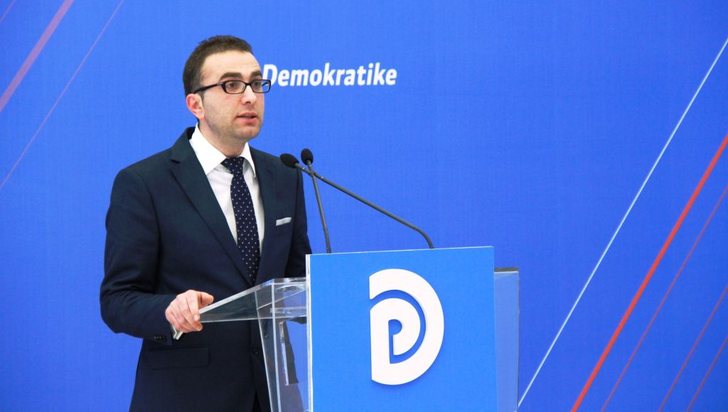
“Situata e vështirë ekonomike që po kalon rajoni e më gjerë rëndon më tepër në pjesëtarët e minoritetit nacional, gjë që krijon kushte për tensione”, u shpreh Dule. /gj.k/
4 komente në “Rama: Krenohemi me sjelljen ndaj minoriteteve”
Lini një Përgjigje
Lini një Përgjigje

Më të lexuarat
24 oret e fundit
Javen e fundit


Blog Tema











Nje debat i stisur mes miqsh qe ti ris vlerat Dules tek elektorati i tij. Dulja po humbet partine e vet duke e mbajtur 5 vjet ne opozite me kete injorantin Ramanistan. Frika e Dules se po zhduket politikisht e ka bere sistemin te punoj i gjithi per kete megaminoritar me xhep nje here te majte nje here te djathte. Rama per minoritetin ka profesorin e madh Angjeli dhe i iku dhe Luiza Xhuvani, edhe ate megamafioz Vangjel Tavon, qe neqoftese keta jane minoritare, atehere une si minoritar do te behem qe sot mysliman! Turpi i politikes nuk perfaqeson minoritetin o Ramastan!!!!
O Ramadulistan, do apo sdo ti pa respektuar minoritetin nuk hyn ne asnje dere ne Europe dhe ne Amerike. Po ne pergjithesi deren e ke qe tani te mbyllur se shikon vetem megainteresat e klanit tend dhe kete e ka kuptuar Europa dhe Amerika. Te ka mbetur Merkel (sa te te kuptoj edhe ajo sa i paafte je) dhe Erdogani (qe duhet ti japesh [email protected] qe te te jap leke)!
Rofte Partia Komuniste e Ramadulistanit
Z.Dule ..!Ku I shikon ti kushtet tek ‘minoriteti nacional’per tensione , kjo eshte porosia qe ke marre , ne rast se nuk plotesohen tekat tuaja ,,,?Cfar kushtesh me te keqia se pjesa tjeter e vendit shikon te jene renduar sipas teje pervec se atij kushtit qe u mesuat keq te hani me te dy duart.Nuk eshte faji I Shqiperise se ju ndaluan perkrahjen qe merni nga Greqia.Kjo qe po ben ti mund te meret ose si kercenim me ndihmen e avokateve tuaj ne B.E., ose ke probleme me ekstremistet qe perfaqeson ne kuvend, e keshtu po I lan duart ..Kjo qe po ben sigurisht nuk eshte e mire e te nxjer fare zbuluar.
http://www.minorityrights.org/1525/italy/south-tyrolese-germanspeakers.html
Nuk kane minoritetet gjermane ne Italy televizione dhe te drejta e?
Rama mire ne ekonomi je superinjorant dhe na falimenton, por merr keshilltare ne ceshtje te tjera o zoti te bekofte te mesosh Europen o piktor, se na turperon!!!!
Lexo o keshilltar minorotar i Rames se si eshte Europa!!!
There are an estimated 290,000 German-speakers who constitute two-thirds of the total population of the South Tyrol region in the provinces of Bolzano/Bozen and Trento. One-quarter of the population is Italian and 4 per cent are Ladins. The service sector, especially tourism, accounts for almost two-thirds of employment, while industry provides a quarter of jobs and agriculture about one-eighth.
A few thousand other German-speakers are scattered in 11 linguistic islands elsewhere in the southern Alps, and their survival as a distinct minority is under threat. The smallest group is in Cimbri in the province of Verona and the largest in Kanaltal.
Historical context
For 14 centuries the inhabitants of South Tyrol, now on Italy’s border with Austria, have belonged to the German-speaking world. Following the Treaty of St Germain in 1919, the area of Tirol south of the Brenner was ceded by Austria to Italy together with the predominantly Italian-speaking Trento. At that time the population of South Tyrol was 85 per cent German-speaking, and the annexation and consequent division of the Tyrol was widely resented.
Mussolini vowed to achieve the complete Italianization of the region, and South Tyrolese experienced serious repression between the wars; speaking German in public was forbidden, German political parties and unions were liquidated, and schools and personal names were ‘Italianized’. South Tyrolese were barred from taking part in industrialization and from employment in factories. Some had their land expropriated for industrial development. By the eve of the Second World War, 25 per cent of the population was Italian, and South Tyrolese Germans were confined to the underdeveloped Alpine agricultural regions.
In 1939, under an agreement between the Italian government and Nazi Germany they were given the choice of maintaining their ethnic identity, by leaving their homes and transferring to Germany, or remaining in their homes and accepting full assimilation. Pressure was put on them to vote for Germany, and over 80 per cent did so; but by 1943 only 75,000 had left, and one-third of these returned after the war.
After the war, many South Tyrolese Germans were anxious to have South Tyrol returned to Austria. However, with Austria occupied by Allied forces, the situation was uncertain. The Italian and Austrian governments signed the De Gasperi–Gruber Agreement of 1946, guaranteeing German-speaking inhabitants of Bolzano and Trento complete equality of rights with Italians and safeguards for their ethnic, cultural and economic development. German would be taught in schools, and German surnames were permitted once more.
But the Austrians and South Tyrolese were disappointed and continued to insist on the eventual re-unification with Austria or self-determination. The Sudtiroler Volkspartei (SVP), set up in 1945, lobbied both governments. The Italian government granted limited autonomy to the Province of Bolzano in 1946. On the regional level the province was twinned with Trento, a larger, wealthier and almost entirely Italian province. In the newly formed Trentino-Alto Adige region South Tyrolese were in the minority. Although the Autonomy Statute provided that the region should delegate its executive functions to the provinces, this was not carried out in Bolzano, and this practice was upheld by the constitutional court.
The vast majority of South Tyrolese Germans supported the Sudtiroler Volkspartei (SVP), which was represented in the provincial government, but the cultural, economic and social development of South Tyrol remained in Italian hands at the regional level and in Rome. Increasing Italian immigration to the area created fears of Italianization and prompted increased popular demands to make South Tyrol a region in its own right. Elements of the South Tyrolese resorted to terrorist attacks, cutting electricity supply to a large part of Italy, and Italian far-right groups retaliated.
This and international pressures, notably from the United Nations, resulted in the improved autonomy package of 1972. While the newly named region of Trentino-South Tyrol still existed, many of its powers were transferred to the ‘Autonomous Provinces’ of Bolzano and Trento, including the remit for agriculture and tourism. Arrangements were prepared for financing the province. German was given full official-language status, equal with Italian, and all official announcements, documents and signs had to be in both languages. Education in the mother tongue, from nursery to tertiary levels, was guaranteed. However, implementation of this transfer of power was not completed until after a renewed bombing campaign in the late 1980s.
Tourism has brought considerable wealth to the province, which is now almost wholly Germanic in language, culture and appearance, with a high standard of living.
In contrast, German-speakers in other areas do not benefit from any special status or protection for their culture. Only the Walser in the Aosta Valley benefit from measures to protect their language in education.
Current issues
The notion of an Autonomous European Region of the Tyrol is attracting some interest. In principle this would allow for reunification of the Tyrol within Europe and leave central government with power only in matters of defence, justice, and foreign and monetary policy.
Under the Special Statute for the province of Bolzano/Bozen, both German and Italian can be used in the representative assemblies of the regional, provincial and local authorities. Government departments are required to use German in their dealings with Germans. German is a language of instruction in schools and higher education. Many children are bilingual. Italian is taught as a second language from the second year of the elementary cycle. A university in Südtirol allows teachers to study in their mother tongue in their own country.
The public television broadcasts German programmes for about 11 hours per week, while public radio broadcasts about 90 hours per week. There are also numerous private radio stations that serve German-speakers. TV and radio broadcasts can also be received from Austria, Germany and Switzerland. There are many newspapers and periodicals published in German. German articles also appear occasionally in Italian newspapers. Between 150 and 200 German books a year are published locally. German-language newspapers, magazines and books are available from Austria, Switzerland and Germany.
The majority of the work force at all levels speaks German. German-speakers prefer to set up their own businesses rather than work for someone else. German is the predominant language in the area for both formal and informal communication, but the population is bilingual.
The Südtiroler Volkspartei is represented at four levels of government: municipal, regional, national and in the European Parliament. In the national lower house the SVP is part of the joint parliamentary group for linguistic minorities, and in the senate it is part of the ‘autonomies’ group. In the European Parliament it is part of the European People’s Party.
While German language and culture are thriving in Bolzano/Bozen, they are under threat in the smaller communities not covered by special statute. With the exception of the Walsers in the Aosta Valley, German is not taught in the school curriculum. There are Walser radio broadcasts financed by central and regional government. There are a few periodicals dealing with Cimbrian language and culture.
Ore ramagafaxhiu me ke na krahason ti neve..Germania, Italia, Spanja, Greqia..ne jemi me te miret ne bote. Nga koka deri tek kemba te gjithe idiote. Na tregon edhe histori..lexo me shume.